

Sciatica Physical Therapy for Pain, Numbness, and Tingling Down the Leg
Sciatica is more than low back pain. It can feel sharp, burning, electric, tight, numb, or unstable. It can make sitting, driving, working out, bending over, and even walking uncomfortable. And because it often comes with fear and uncertainty, many people stop moving altogether or bounce between temporary fixes that never fully solve the problem.
At The Performance Lab, we focus on identifying what is truly driving your symptoms so treatment matches the actual issue.
Common Back Problems We Help With
- Pain radiating from the low back or glute into the leg
- Numbness or tingling down the thigh, calf, or foot
- Burning or shooting pain with sitting or driving
- Sciatica that worsens with bending or certain positions
- Recurrent nerve irritation during workouts or activity
- Pain mistaken for hamstring tightness or glute strain
- Disc-related nerve symptoms
- Loss of confidence with movement because symptoms are unpredictable
Why Back Pain Keeps Coming Back
Not all sciatic pain is the same. Sometimes symptoms are driven by disc irritation. Sometimes it is nerve sensitivity, movement intolerance, or positional loading that keeps triggering the problem. Sometimes people stretch aggressively, rest too much, or return to activity without addressing the actual source.
If the reason the nerve is being irritated is never identified, symptoms may come and go, but they rarely stay gone.
How The Performance Lab Solves It
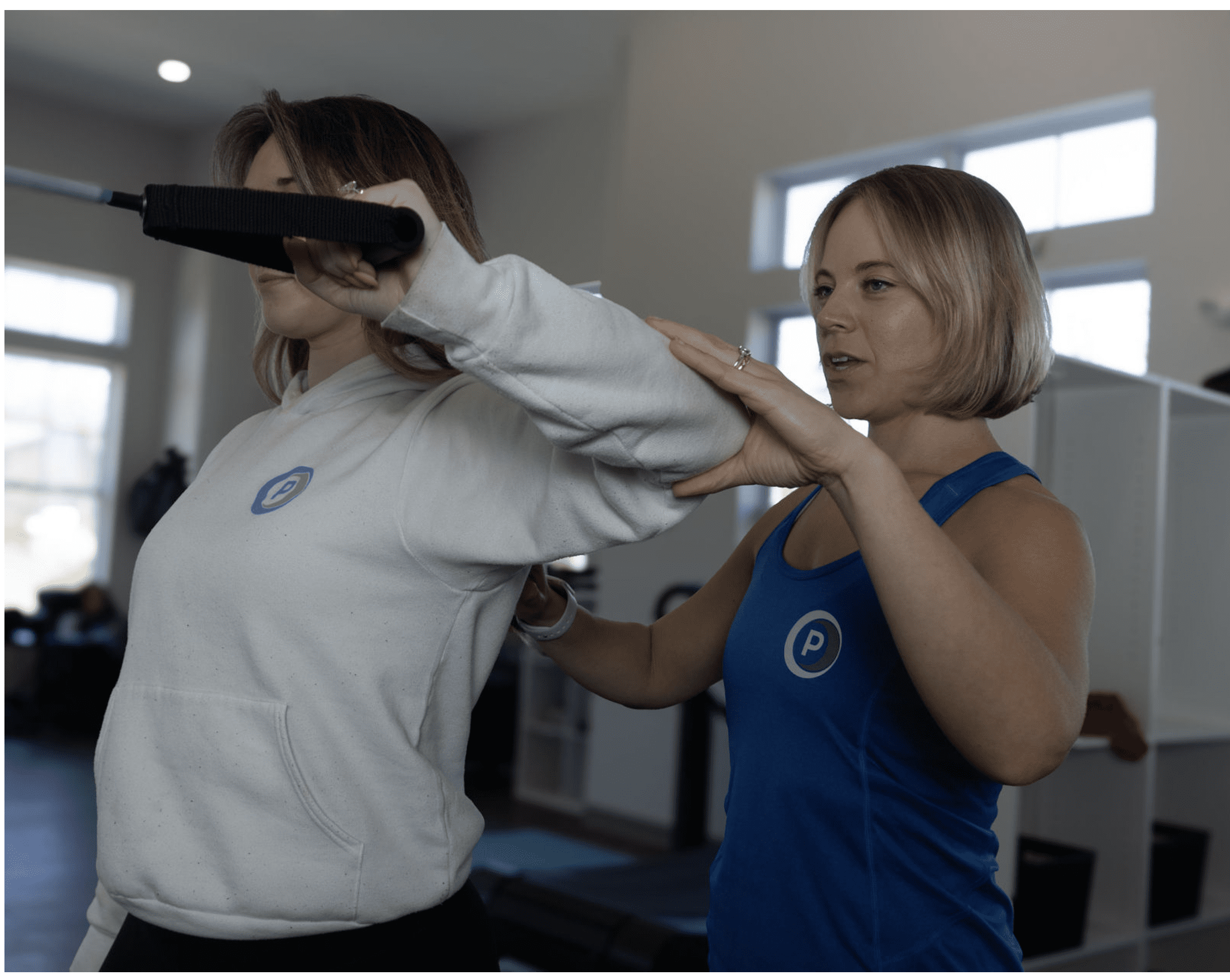
We assess the full picture, including spine mechanics, movement tolerance, nerve irritation, strength deficits, mobility restrictions, and the patterns that reproduce your symptoms.
Your treatment plan may include:
- hands-on treatment to reduce protective tension and improve mobility
- movement strategies that calm nerve irritation
- graded exercise to restore tolerance to bending, sitting, walking, and activity
- core and lower-body strength work
- progression back to training, sport, and daily movement
- education so you understand what is driving symptoms and how to stop provoking them
Our goal is to reduce irritation, restore confidence, and get you back to moving normally without fear of setting it off again.
Who This Is For
- Active adults dealing with back and leg symptoms
- Athletes whose nerve pain is interrupting training
- People whose symptoms flare up with sitting, travel, or workouts
- Anyone frustrated by numbness, tingling, or pain that keeps coming back
- People trying to avoid the cycle of rest, flare-up, and repeat

FAQs
Can physical therapy help sciatica?
Yes. In many cases, the right treatment can reduce nerve irritation, improve function, and help prevent recurring flare-ups.
Why do I have pain going down my leg?
Pain down the leg is often related to nerve irritation coming from the low back, pelvis, or surrounding structures.
Do I need surgery for sciatica?
Not always. Many people improve without surgery when the root cause is identified and treated appropriately.
Why does sitting make my sciatica worse?
Certain positions can increase tension or irritation around the nerve, especially if there is underlying disc or movement-related involvement.
Can you help if I also have numbness or tingling?
Yes. Those are common sciatic symptoms, and part of treatment is determining what is driving them and how to reduce them.
You should not have to live around nerve pain.
If you are tired of flare-ups, mixed messages, and temporary fixes, let’s figure out what is really going on.